
Warning Signs that a Tree May Be Dying and Should Be Evaluated for Potential Removal
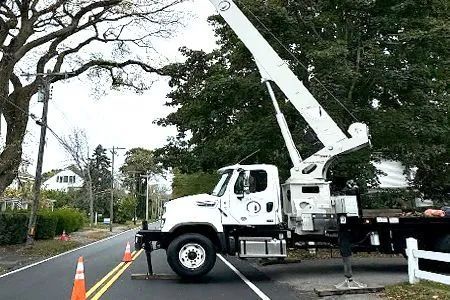
A dying tree is more likely to drop branches or fall during storms, putting people and structures at risk. Because tree decline is not always obvious to the untrained eye, it’s important to recognize the early warning signs and schedule a professional evaluation before the situation worsens. At JSK Tree Care, we can identify dying trees and safely remove them as needed. Here are four common signs that a tree could be dying and may need to be considered for removal.
Branches Are Becoming Brittle or Breaking Easily
If you find that limbs snap with little pressure or sections of the canopy fail to leaf out in spring, this can indicate that the tree is no longer receiving adequate nutrients. Large dead branches, in particular, pose a significant risk because they can fall unexpectedly. Persistent branch dieback is often a clear sign that the entire tree may be in decline.
Fungal Growth Is Appearing Around the Base
Fungal growth at the base of a tree could indicate internal rot. Fungi often take hold when a tree’s wood has weakened due to decay, which means the internal structure may be compromised. While not every mushroom growth signals a dying tree, consistent or widespread fungi are strong red flags. An arborist can assess the extent of decay and determine whether the tree remains structurally sound.
The Tree Is Leaning More Than Usual
A sudden or worsening lean is often a sign that a tree’s root system has been damaged or destabilized. Healthy trees typically grow upright unless they naturally lean toward sunlight. However, if you notice the tree leaning further with time or see soil lifting on one side of the root zone, it may be at high risk of falling. A leaning tree should always be evaluated promptly, especially if it is close to a structure or high-traffic area.
Leaves Are Sparse, Discolored, or Failing to Grow
A thinning canopy, premature leaf drop, or persistent discoloration can all signal that a tree is under severe stress. Nutrient deficiencies, disease, and root damage may be preventing the tree from sustaining healthy foliage. When large sections of the canopy fail to leaf out, it often indicates that the tree is in significant decline and may not recover.
Tree Removal in Falmouth, MA
For
tree removal in Falmouth and the surrounding area, contact JSK Tree Care at
774-506-4655. We offer expertise in both residential and commercial tree services in Falmouth. Feel free to give us a call to ask for an arborist estimate in Falmouth, MA!